Toy Robot Font: Bold, Bubbly, and Built for Creativity
A Typeface with a Playful Mechanical Heart
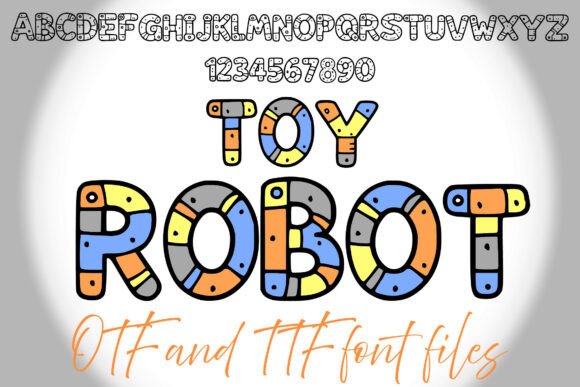
Let’s cut through the noise of minimalist sans serifs and elegant scripts for a moment. Sometimes, a project needs personality that’s loud, unmistakable, and full of joy. That’s precisely where the Toy Robot typeface comes in. This isn't just another display font; it's a creative font engineered to evoke the tactile, colorful fun of childhood play. Its visual DNA is rooted in the aesthetic of classic toy blocks and mechanical parts—think rounded terminals, sturdy geometric forms, and a subtle, friendly rigidity that feels both structured and approachable.
The character of Toy Robot is built on a foundation of bold, bubbly strokes. Each letterform carries a sense of weight and solidity, much like a well-made plastic toy. The design avoids sharp, aggressive angles, instead favoring soft curves and generous proportions that feel safe and inviting. Its personality is inherently cheerful and energetic, making it a natural fit for contexts where the goal is to spark imagination, communicate fun, or appeal directly to a young audience—or the young at heart. This isn't a font that whispers; it announces itself with a confident, playful grin.
Where This Font Truly Shines: Practical Applications
Understanding a font's strengths is key to using it effectively. Toy Robot isn't a workhorse body copy font; it's a specialist. Its value lies in its ability to capture attention and set a specific, playful tone. Here’s where it delivers the most impact:
- Educational Games & Toy Packaging: This is its home turf. The font's clarity and friendly structure make it perfect for labeling game components, toy boxes, and instructional booklets aimed at children. It maintains readability while screaming "fun."
- Birthday Invitations & Event Branding: For children's parties, family-friendly events, or any celebration with a playful theme, Toy Robot sets the mood instantly. It pairs wonderfully with vibrant color palettes and simple illustrations.
- Branding for Kid-Centric Businesses: Think daycare centers, pediatric dentists, children's clothing lines, or toy stores. Using this font in a logo design or on signage can immediately communicate a brand's welcoming and fun-loving nature.
- Digital & Social Media Graphics: Need to make a social media post about a family event, a new toy launch, or a kids' workshop pop? This premium font can grab the scroll-stopping attention you need in a crowded feed.
- Crafting & Personal Projects: Hobbyists and crafters will find it invaluable for scrapbooking, custom t-shirt designs, vinyl decals, and personalized stationery. It adds a professional yet handmade feel to any project.
Making It Work: Design Strategy and Readability
Using a font like Toy Robot effectively requires more than just liking how it looks. It’s about strategic application to support your message and brand identity. Here’s how to approach it:
Readability and Hierarchy
Because of its decorative nature, Toy Robot is best reserved for headlines, subheadings, logos, and short call-to-action phrases. Using it for long paragraphs would quickly tire a reader's eye and undermine readability. The key is to create a clear visual hierarchy. Pair it with a clean, highly legible sans serif font or even a simple serif font for body text. This contrast allows the personality of Toy Robot to shine without compromising the user experience. For example, a poster for a children's museum might use Toy Robot for the event title and a font like Open Sans or Lato for the date and location details.
Font Pairing and Project Fit
Evaluating fit is crucial. Ask yourself: Does the playful, mechanical vibe align with my project's core message? If you're designing for a law firm, the answer is obviously no. But for a brand selling creative STEM kits, it's a perfect match. When pairing, look for design assets that complement without competing. A simple, geometric sans serif font often works best, as it shares a modern, clean foundation but stays out of the spotlight. Avoid pairing it with other highly stylized fonts like a busy script font or a whimsical handwritten font, as this can create visual chaos.
Licensing and Professional Use
For any commercial project—from a client's packaging design to a monetized blog's graphics—ensure you have the correct commercial license. Most reputable premium font foundries offer clear licensing tiers for desktop, web, and app use. Reviewing the included font styles (like bold, italic, or condensed versions) can also expand its utility, allowing for more nuanced typographic expression within the same playful family.
In the end, Toy Robot is more than just a typeface; it's a design tool for injecting pure, unadulterated fun into your work. Used thoughtfully, it can become a cornerstone of a memorable brand identity that resonates with audiences seeking joy, creativity, and a touch of nostalgic playfulness. Its strength lies not in versatility, but in its powerful, focused ability to make any project feel lighter, brighter, and infinitely more engaging.