Doggy Style Font: Playful Paws for Your Projects
There’s a particular kind of design challenge that calls for more than just clean lines and professional neutrality. Sometimes, a project needs warmth, personality, and an immediate sense of fun. This is where a display font like Doggy Style enters the picture. It’s not trying to be a workhorse for body copy; its job is to grab attention and set a specific, joyful tone the moment someone sees it.
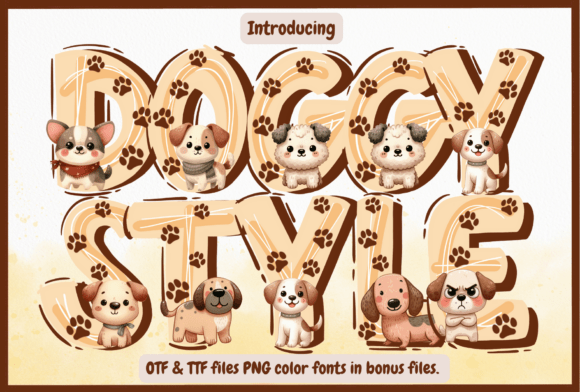
Doggy Style is a premium font that leans fully into its theme. The letterforms are crafted to feel playful and rounded, with a friendly, approachable character. What truly defines it are the decorative details—subtle paw prints integrated into the letters, giving the typeface a unique, textured appearance. It’s the kind of creative font that feels handcrafted and full of charm, making it an excellent design asset for projects targeting pet lovers, families, or anyone who appreciates a dose of whimsy. The overall vibe is lighthearted and endearing, perfect for designs that aim to connect on an emotional level rather than convey formal information.
Where This Playful Typeface Truly Shines
Understanding a font’s personality is one thing; knowing where to apply it is where the real value lies. Doggy Style isn’t a sans serif font for a corporate report, nor is it a script font for elegant wedding invitations. Its strengths are specific and potent.
For packaging design, particularly for pet products, organic treats, or children’s items, this font does the heavy lifting of brand storytelling. Imagine a bag of gourmet dog biscuits or a box of animal-shaped cookies—Doggy Style on the label instantly communicates the product’s playful nature. In logo design for a local dog groomer, a pet-sitting service, or a kids’ party planner, it can form the core of a memorable brand identity that feels friendly and trustworthy. It’s a commercial font that helps small businesses stand out with personality.
The applications extend well beyond branding. Think about social media graphics for a pet influencer or an animal shelter’s adoption campaign. The font’s charm can increase engagement and shareability. For editorial design in a pet magazine or a family blog, it works beautifully for headlines and pull quotes, adding visual interest without overwhelming the page. Crafters and hobbyists will find it invaluable for greeting cards, scrapbook layouts, and personalized gifts. Even in web design, it can be used strategically for hero section headings or special promotional banners to inject energy and warmth into a digital experience.
Making Smart Design Decisions with Doggy Style
Choosing the right font is about more than just liking how it looks in isolation. It’s about evaluating fit, ensuring readability, and considering how it interacts with other elements in your design system.
First, consider your project’s primary goal and audience. Doggy Style is a specialist. If your project demands serious authority, technical clarity, or minimalist sophistication, it’s likely not the right tool. But if you’re designing for engagement, delight, and a clear thematic connection to pets, children, or playful products, it’s a strong contender. Always test it in context. Mock up a headline on your intended layout—does it support the message or distract from it?
Readability is a key consideration with any display font. Doggy Style’s decorative elements mean it’s best used at larger sizes for headlines, logos, and short bursts of text. Avoid using it for paragraphs or small captions where its intricate details could become visual noise. Its strength is in setting the tone, not in conveying dense information.
Font pairing is where you can create a balanced and professional visual hierarchy. Because Doggy Style is so distinct, it pairs best with clean, simple typefaces. A neutral sans serif font for body copy or a straightforward serif font can provide excellent contrast, letting the playful headlines pop without causing visual chaos. Avoid pairing it with other highly decorative or handwritten fonts, as this can lead to a cluttered and amateurish look.
When you download this commercial font, you’ll typically receive multiple file formats (OTF, TTF) and sometimes bonus assets like color PNGs. Review the full character set—does it include the punctuation, numerals, and language support you need? Understanding the licensing is also crucial. For commercial projects, ensure the license covers your intended use, whether for a client’s logo, merchandise for sale, or digital products.
In the end, a typeface like Doggy Style is a tool for connection. Used thoughtfully, it can transform a generic design into something that feels personal, engaging, and full of character. It’s about matching the tool to the task, ensuring that every visual element works together to tell a cohesive and appealing story to your audience.