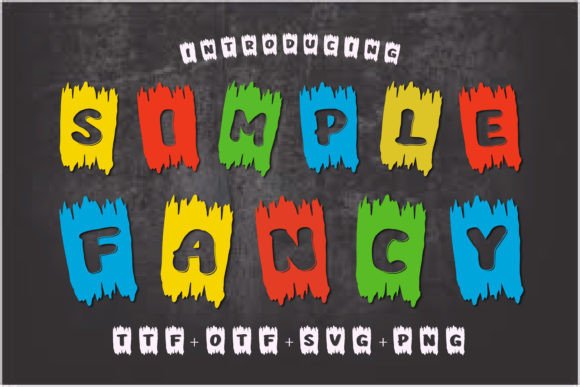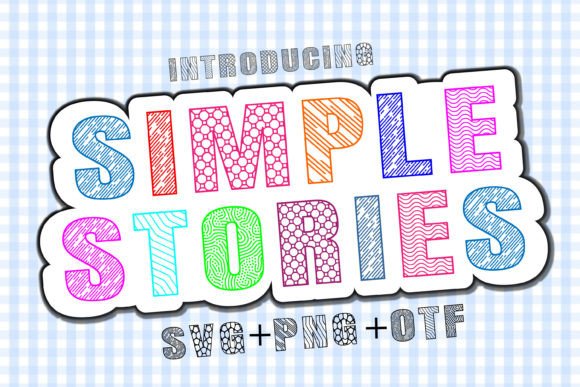
Simple Stories: A Font That Brings Joy to Your Designs
Every now and then, a design asset comes along that doesn’t just do its job—it changes the entire mood of your project. Simple Stories is one of those assets. This isn’t just another premium font; it’s a vibrant splash of personality, a creative font built to infuse your work with a sense of joy and whimsy. For designers, entrepreneurs, and content creators tired of sterile, generic typography, Simple Stories offers a refreshing alternative that feels both professional and deeply personal.
At its core, Simple Stories is a display font with a distinct, handcrafted character. It’s not a rigid serif font or a cold sans serif font. Instead, it leans into the warmth and fluidity of a script font or handwritten font, but with a clarity and consistency that sets it apart. The letterforms have a natural, slightly irregular rhythm that mimics authentic handwriting, complete with subtle variations in stroke weight and charming, unexpected details. This gives it a personality that is approachable, energetic, and undeniably human. It’s the kind of typeface that feels like it was written just for your project, adding a layer of authenticity that’s hard to achieve with more conventional choices.
Where This Typeface Truly Shines
The true test of any creative font is its versatility. Simple Stories excels in projects where emotion and connection are paramount. In branding initiatives, it becomes the voice of a brand that values approachability and creativity. Imagine a boutique coffee roaster, a handmade soap company, or a children’s educational app—Simple Stories can form the cornerstone of their brand identity, making logos and marketing materials feel instantly friendly and memorable.
Its strength extends powerfully into packaging design. A product on a crowded shelf needs to tell a quick story, and this font does exactly that. It can make artisanal food labels feel more homemade, beauty product packaging feel more luxurious yet personal, and gift boxes feel more special. For logo design, it creates riveting logotypes that stand out from the sea of geometric and minimalist marks. A logo set in Simple Stories isn’t just a symbol; it’s a handshake, a first impression that feels warm and inviting.
Beyond commercial work, this font is a powerhouse for personal and editorial projects. It adds a sprinkle of charm to wedding invitations, save-the-dates, and event programs, setting a celebratory and intimate tone. For bloggers and publishers, it’s perfect for editorial design—think pull quotes, chapter headings, or feature article titles in magazines and books. In the digital realm, it transforms social media graphics, making Instagram posts and Pinterest pins more engaging, and it can bring life to web design headers and call-to-action buttons, provided it’s used thoughtfully for short bursts of text.
Making Simple Stories Work for You
Introducing a font like this into your workflow requires a bit of strategy. First, consider the project’s tone. Simple Stories is ideal for conveying joy, creativity, and approachability. It might not be the right fit for a law firm’s annual report, but it’s perfect for a yoga studio’s new class schedule. Always evaluate the font pairing. Because it has such a strong personality, it works best alongside a cleaner, more neutral sans serif font or a simple serif font for body text. This creates a clear visual hierarchy, where Simple Stories draws the eye for headlines and key phrases, while the companion font ensures long-form content remains highly readable.
Before committing, review the included styles and glyphs. A well-designed premium font like this often comes with alternates, swashes, and ligatures that allow you to customize the look further. Test it thoroughly. Type out your actual headlines and key messages to see how the letterforms interact. Check the readability at the size you intend to use it—what looks charming at a large scale might become cluttered when small. This hands-on testing is crucial for any design asset.
Finally, understand the licensing. For any commercial font, especially one used in client work, products for sale, or large-scale branding, ensure you have the correct commercial license. This protects both you and your client and is a non-negotiable part of professional practice. Simple Stories is more than just a tool; it’s a partner in your creative process. By choosing it intentionally, you’re not just picking a typeface—you’re deciding to inject a specific, uplifting energy into your work. The result is designs that don’t just look good, but feel good, fostering a stronger connection with your audience every time they see it.