Gugur: Capturing Autumn's Spirit in Your Designs
There’s a specific feeling that comes with the first crisp autumn morning. It’s in the quality of the light, the rustle of dry leaves, and the warm tones that take over the landscape. As a designer, capturing that feeling is a powerful tool. It’s not just about using orange and brown; it’s about evoking a specific mood. This is precisely where the right typography becomes your most valuable asset, and where a typeface like Gugur proves its worth.
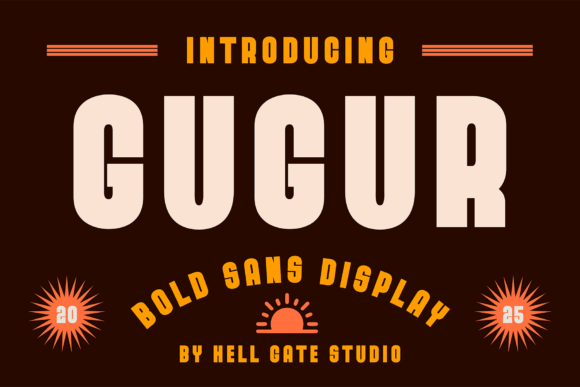
Gugur is a display font designed with a singular focus: to embody the elegance and character of the fall season. It’s not a simple novelty font with leaf-shaped serifs. Instead, its charm lies in its subtlety. The letterforms have a warm, slightly textured quality that feels organic and handcrafted. The serifs are present but soft, avoiding the sharp formality of a traditional serif font and leaning into a more approachable, artisanal aesthetic. The overall personality is one of quiet sophistication—think of a beautifully lettered menu at a harvest festival or the title on an indie coffee shop’s seasonal chalkboard. It’s a creative font that feels both premium and personal.
Where Gugur Truly Comes Alive: Practical Applications
Understanding a font's character is one thing; knowing where to deploy it is what separates a good idea from a great design. Gugur isn't an all-purpose workhorse like a standard sans serif font. It’s a specialist, designed to shine in specific contexts where its seasonal personality can enhance, rather than dominate, the message.
In brand identity, Gugur is an excellent choice for businesses that want to project a sense of warmth, craftsmanship, and connection to nature. Imagine it for a local bakery, a boutique coffee roaster, a craft brewery with seasonal ales, or an artisanal candle maker. Used as a logotype or for key branding elements on packaging design, it immediately sets a tone that is both professional and inviting. It tells customers that there’s a human touch behind the brand.
For marketing and digital content, the applications are just as potent. Bloggers and content creators can use Gugur for website headers, social media graphics, and email newsletters during the autumn months to create a cohesive and timely visual campaign. A travel blogger writing about a trip to Vermont, a food blogger sharing pumpkin spice recipes, or a lifestyle coach running a fall wellness retreat can all use this display font to instantly signal the theme of their content. It adds a layer of editorial design polish that elevates the entire presentation.
Beyond the digital realm, its strengths extend into print. Think of the impact on an invitation for a Thanksgiving dinner, the cover of a self-published e-book with a cozy mystery theme, or product labels for a limited-edition fall blend. In these cases, the font isn't just text; it's a design asset that contributes directly to the user's experience and perception of the product's quality.
Integrating Gugur into Your Design Toolkit
Adding a new display font to your library is an exciting prospect, but using it effectively requires a thoughtful approach. A strong typeface like Gugur can do a lot of the heavy lifting, but it still needs to be handled with care to ensure your final design is balanced and professional.
A crucial first step is font pairing. Because Gugur has such a distinct personality, it’s rarely a good idea to use it for long blocks of body copy. Its strength is in headlines, titles, and short, impactful phrases. To create a clear visual hierarchy, pair it with a simple, highly legible sans serif font or a clean serif font. A font like Lato, Open Sans, or Montserrat provides a modern, neutral counterpoint that allows Gugur’s character to stand out without creating visual clutter. This contrast is fundamental to modern typography and ensures your message remains readable.
Before committing to a project, always test the font in context. Place a sample headline with your chosen body text. View it at different sizes to check for readability. How does it look on a mobile screen versus a printed flyer? Does its style align with the overall brand identity you’re building? This process of evaluation is key to choosing any commercial font. You’re not just buying letters; you’re investing in a tool that needs to solve a specific creative problem.
When you acquire Gugur, you receive it in the high-quality OTF (OpenType) format, which is a standard for premium fonts. Pay attention to the licensing terms. Most fonts come with a license that covers specific uses, such as for a single user, a small business, or for embedding in digital products. Understanding the commercial font license ensures you can use your new design asset with confidence across all your projects, from client work to your own business materials.
Ultimately, Gugur is more than just a collection of autumn-themed glyphs. It’s a carefully crafted typeface that offers a practical and effective way to inject a specific, desirable mood into your work. By understanding its personality and applying it thoughtfully, you can create designs that resonate deeply with your audience, capturing the unique and timeless elegance of the season.