Grobeg: The Groovy Display Typeface for Bold Branding
If you’ve spent any time scrolling through design feeds or browsing the latest in modern typography, you’ve likely felt the pull of 1970s nostalgia. It’s a style defined by bold optimism, fluid forms, and a distinct rhythm. Capturing that specific retro energy requires more than just a color palette; it demands a typeface with genuine character. This is precisely where Grobeg enters the conversation. It’s a premium font that doesn’t just mimic the era—it embodies its groovy, expressive spirit with a clean, contemporary execution.
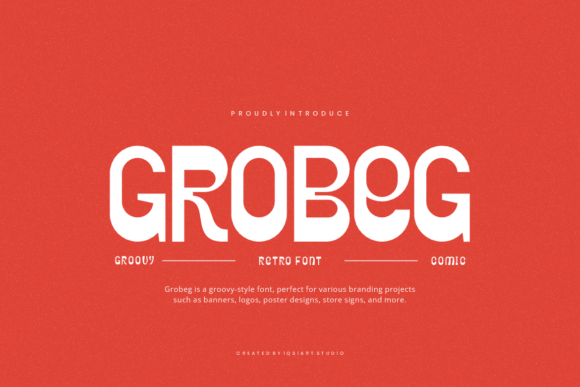
At its core, Grobeg is a bold, bottom-weighted display font. Imagine letterforms that feel almost liquid, with heavy, grounded bases and expressive, wavy terminals. This isn't a delicate script or a neutral sans serif; it's a creative font built for impact. The visual personality is unapologetically funky and rhythmic, making it an instant attention-grabber. Yet, because it's crafted with modern precision, it avoids looking dated or kitschy. It strikes that perfect balance—retro soul with a professional finish.
Where Grobeg Truly Shines: Practical Applications
The strength of a typeface like Grobeg lies in its specificity. It’s not your body copy workhorse, and that’s by design. Think of it as your secret weapon for projects that need to radiate energy and confidence. Here’s where it becomes an invaluable design asset:
- High-Impact Headlines & Posters: For festival posters, event promotions, or magazine covers, Grobeg delivers instant visual hierarchy. Its heavy weight and unique silhouette command the page, ensuring your main message is impossible to ignore.
- Apparel & Merchandise Branding: T-shirt designs, hoodie prints, and boutique shop signage are natural fits. The font’s funky vibe translates perfectly to apparel that wants to stand out in a crowded market, bridging classic disco vibes and contemporary streetwear.
- Album Art & Music Branding: If you’re designing for a band, a podcast, or a playlist, Grobeg’s rhythmic flow can visually represent sound. It pairs beautifully with grainy textures and vibrant, warm color palettes for an authentic 70s feel.
- Logo Design for Niche Brands: For a brewery, a retro diner, a vinyl record shop, or a creative studio, a logo design using Grobeg can instantly communicate a fun, approachable, and memorable brand identity.
It’s less suited for long-form editorial design or dense web copy, where readability at small sizes is paramount. Instead, use it strategically for titles, pull quotes, and social media graphics where personality trumps pure information density.
Integrating Grobeg into Your Brand Toolkit
Choosing a commercial font is a strategic decision. It’s not just about aesthetics; it’s about fit, function, and licensing. Here’s a practical framework for evaluating and implementing Grobeg.
Evaluating the Project Fit
Before you commit, ask: Does my project’s personality align with Grobeg’s? A tech startup’s annual report? Probably not. A new line of organic sodas or a summer music festival? Absolutely. Its brand perception is inherently playful, creative, and energetic. If that matches your client’s or your own brand voice, it’s a strong candidate.
Mastering Font Pairing
Because Grobeg is so expressive, it needs a partner that complements without competing. A classic font pairing strategy is to combine it with a clean, neutral sans serif font for body text. Fonts like Helvetica, Futura, or even a simple serif can provide the necessary breathing room and readability. Let Grobeg own the headlines while its partner handles the supporting details. This contrast creates a clear visual hierarchy and keeps the design professional.
Practical Implementation Tips
Grobeg’s unique silhouette works best when given space. Crowding it undermines its expressive terminals and “wavy” personality. Use generous leading and tracking. Test it at the size it will be displayed—a headline on a poster will look different than a logo on a business card. Always check the included styles; a good premium font often comes with multiple weights or alternates that can add versatility to your brand identity system.
Finally, understand the licensing. For any commercial project—whether it’s packaging design, web design, or merchandise—ensure you have the proper license. This protects you legally and supports the type designers who create these essential tools.
In the end, a font like Grobeg is more than just letters on a screen. It’s a tool for storytelling, a way to inject a specific mood and era into your work with authenticity. Used thoughtfully, it can elevate a project from merely looking good to feeling genuinely memorable.