Breeze: The Typeface That Captures Light and Air
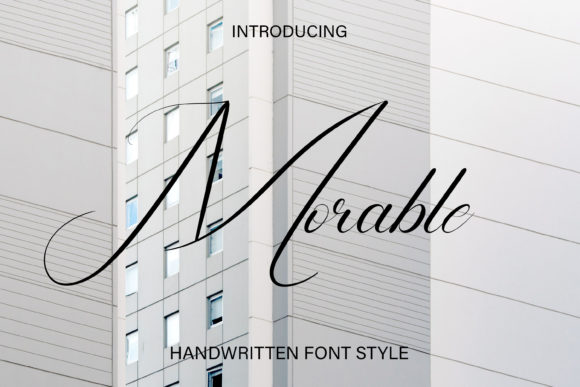
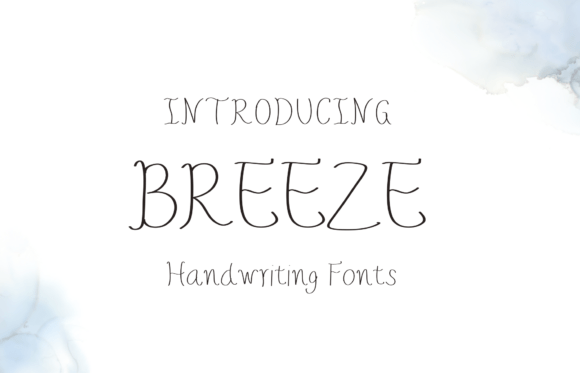
There's a certain quality to a summer breeze—light, effortless, and refreshingly clear. That's the feeling the Breeze typeface brings to a design. This isn't a font that shouts for attention; instead, it whispers with elegance. Breeze is a delicate, handwritten script characterized by its thin, fine-line strokes and a playful, dancing baseline that feels genuinely alive on the page. Each letterform is crafted with a sense of graceful movement, making it a premier choice for projects where sophistication and subtlety are key. Its core personality is one of refined whimsy, bridging the gap between high-fashion minimalism and intimate, personal expression.
Where Breeze Truly Shines: Practical Applications
Understanding a font's ideal context is crucial for effective design. Breeze excels in environments that call for a touch of luxury, femininity, or ethereal beauty. Its light, airy nature makes it a natural fit for wedding stationery—think elegant invitations, vow books, and menu cards where it adds a romantic, personal touch without overwhelming the details. In the realm of packaging design, Breeze is exceptional for fine-jewelry branding, perfume packaging, and luxury skincare labels. It communicates premium quality and a curated aesthetic, suggesting the product inside is equally refined.
Beyond print, this creative font is a powerful tool in digital spaces. It’s a dream for social media graphics, particularly for Instagram Stories and Pinterest pins where a sophisticated, editorial feel is desired. Photographers can use it as an elegant watermark that doesn't distract from their imagery. For bloggers and publishers, Breeze adds a "breezy" sophistication to headers and pull quotes in editorial design, especially for niches like lifestyle, travel, or wellness. It’s also a standout in web design for boutique hotel sites, high-end salon menus, or a romantic personal blog, setting a tone that is both high-fashion and incredibly intimate.
Strategic Design: Using Breeze for Impact and Clarity
While Breeze is beautiful, using it strategically is what separates good design from great. Its primary role is as a display font—for headlines, logos, and short, impactful text. Its delicate strokes are not suited for long paragraphs, where readability would suffer. This is where font pairing becomes essential. To let Breeze breathe, pair it with a clean, lightweight serif font or a simple sans serif font for body copy. A classic serif like Cormorant Garamond or a minimalist sans serif like Montserrat provides a stable, readable foundation that allows Breeze's personality to shine without competition.
The font's airy quality is amplified by its environment. Always use it with generous white space—in design terms, this is negative space, and it gives the delicate letterforms room to exist. Combine it with a soft, muted color palette: think blush pinks, soft grays, sage greens, and creamy ivories. For a cohesive look, integrate delicate floral line art or subtle geometric patterns that echo its graceful lines. This thoughtful composition influences your entire brand identity, creating a consistent, professional, and recognizable visual language that deeply engages your target audience.
Making the Right Choice: A Practical Guide to Using Breeze
Before committing to Breeze for a project, consider its functional fit. Evaluate your content: is it primarily short-form, elegant, and intended to evoke emotion? Then it's likely a strong candidate. Always test the font with your actual copy. Does the word "luxury" look as graceful as "serenity"? Check the included styles; a well-designed premium font like Breeze often includes alternates, ligatures, and stylistic sets that allow for customization and prevent a generic look.
For any commercial project, from a client's logo design to product packaging, verifying the commercial license is non-negotiable. Ensure the license covers your specific use case, whether it's for digital ads, printed merchandise, or embedded web fonts. While Breeze is a premium font, its impact on brand perception—making a product feel more exclusive, a service more personalized, or an event more memorable—often provides significant value. It’s a design asset that, when used correctly, elevates a project from merely functional to truly experiential, capturing a feeling that resonates with your audience.