Amsterdam Script: A Modern Calligraphy Font for Creative Projects
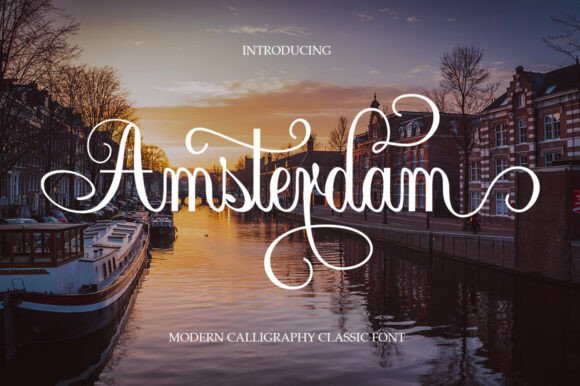
Finding a typeface that balances personality with professionalism can be a challenge. You want something that feels personal and handcrafted, but also polished enough for a logo or a brand identity. This is where the Amsterdam font enters the conversation. It’s a modern script calligraphy font designed with a distinctly trendy and feminine style, characterized by its fluid lines and an intentionally irregular baseline. This isn't a rigid, perfect script; it mimics the natural flow of ink or watercolor, giving it an authentic, artistic quality that feels both contemporary and timeless.
The appeal of Amsterdam lies in its versatility and emotional resonance. As a display font, it’s built to capture attention in headlines, logos, and titles. Its character is warm and inviting, making it an excellent choice for projects that aim to create a personal connection. Think of a boutique bakery’s branding, a wedding planner’s website, or the cover of a romance novel. In each case, the Amsterdam typeface communicates elegance, care, and a touch of modern sophistication. It avoids the coldness that can sometimes accompany digital design, instead bringing a human, handwritten element to the forefront.
Where This Creative Font Truly Shines
Amsterdam’s strength is in applications where emotion and aesthetics take precedence over dense, long-form text. It’s a premium font asset for designers and creators who need to inject style and personality into their work quickly. For entrepreneurs and small business owners, it can be a cornerstone of a brand identity, especially in lifestyle, beauty, fashion, and artisanal product spaces. Its fluid letterforms work beautifully for logo design, where a single word needs to tell a story.
Consider its use across different mediums. In editorial design, Amsterdam is perfect for pull quotes or chapter titles in magazines and books, adding a layer of visual interest that breaks up standard body copy. For packaging design, it can elevate a product label, making it feel more luxurious or handmade. The font is equally effective in the digital realm. Use it for impactful social media graphics, particularly for quotes, announcements, or sale promotions where you want a standout look. It’s also a fantastic choice for web design headers and call-to-action buttons, guiding the user’s eye with its distinctive style.
Beyond commercial use, Amsterdam excels in personal projects. Crafters and hobbyists will find it ideal for creating custom wedding invitations, thank you cards, and greeting cards. Its PUA encoding is a significant practical benefit here, allowing easy access to all glyphs and ligatures without advanced design software. This means you can create beautiful, professional-looking designs even with basic tools, adding flourishes and alternate characters to customize your text perfectly. The font’s compatibility with ink and watercolor aesthetics also makes it a favorite for digital planners, printable art, and inspirational quote posters.
Integrating Amsterdam into Your Design Workflow
Adopting a new script font like Amsterdam requires a bit of strategic thinking. It’s not a workhorse sans serif font for paragraphs; it’s a specialist tool. The first step is to evaluate your project’s needs. Is the goal to convey elegance, creativity, or a personal touch? If so, Amsterdam is likely a strong fit. If you need maximum readability for long articles or technical documents, you’d pair it with a clean serif or sans serif body copy font.
Successful font pairing is key. Amsterdam’s decorative nature means it needs a simpler partner to create balance and ensure visual hierarchy. A classic approach is to pair it with a neutral, geometric sans serif font. This contrast allows the script font to stand out for headings while the body text remains clear and easy to read. For a more traditional feel, a transitional serif font can work beautifully, creating a sophisticated and layered typographic system. Always test your pairings in context. Does the combination work on a business card, a website, and a social media post? Consistency across applications is crucial for building a professional brand identity.
When you license Amsterdam, you’re investing in a design asset with practical features. Review the full character set. Look at the alternate letters and ligatures—these are what allow you to customize words and avoid repetitive letterforms, making your text look more authentically hand-lettered. Experiment with these in your design software to see the full range of possibilities. Consider the font’s impact on readability. While it’s highly legible at larger sizes, its script nature and irregular baseline mean it’s best used sparingly. For small text on screens or in dense print, always conduct a legibility test.
Finally, understand the licensing. As a commercial font, Amsterdam comes with terms that typically allow for broad use across client projects, digital products, and physical goods, but it’s always wise to verify the specifics. This ensures you can use it confidently in your professional work, from client logos to merchandise. By approaching Amsterdam not just as a pretty typeface but as a strategic component of your visual language, you can leverage its unique charm to create designs that are both beautiful and effective, resonating with your audience on a personal level. Its modern script style offers a refreshing alternative in a landscape often dominated by rigid geometric fonts, providing a tool for genuine creative expression.